

Divorce doesn’t have to destroy every connection you’ve built with your spouse. Relationship maintenance becomes even more important when families are restructuring, not less.
We at Mediation First NJ LLC see couples who prioritize communication and respect create healthier outcomes for everyone involved. The skills you develop during this transition will serve your family for years to come.
How Do You Communicate Without Destroying Your Future Relationship
The words you choose during divorce conversations determine whether you build bridges or burn them. Gottman research proves the difference between solvable problems and perpetual problems, meaning the issues that divide you now will likely require ongoing management after divorce. This makes your communication approach during separation more important than most couples realize.
Master the Three-Hour Response Rule
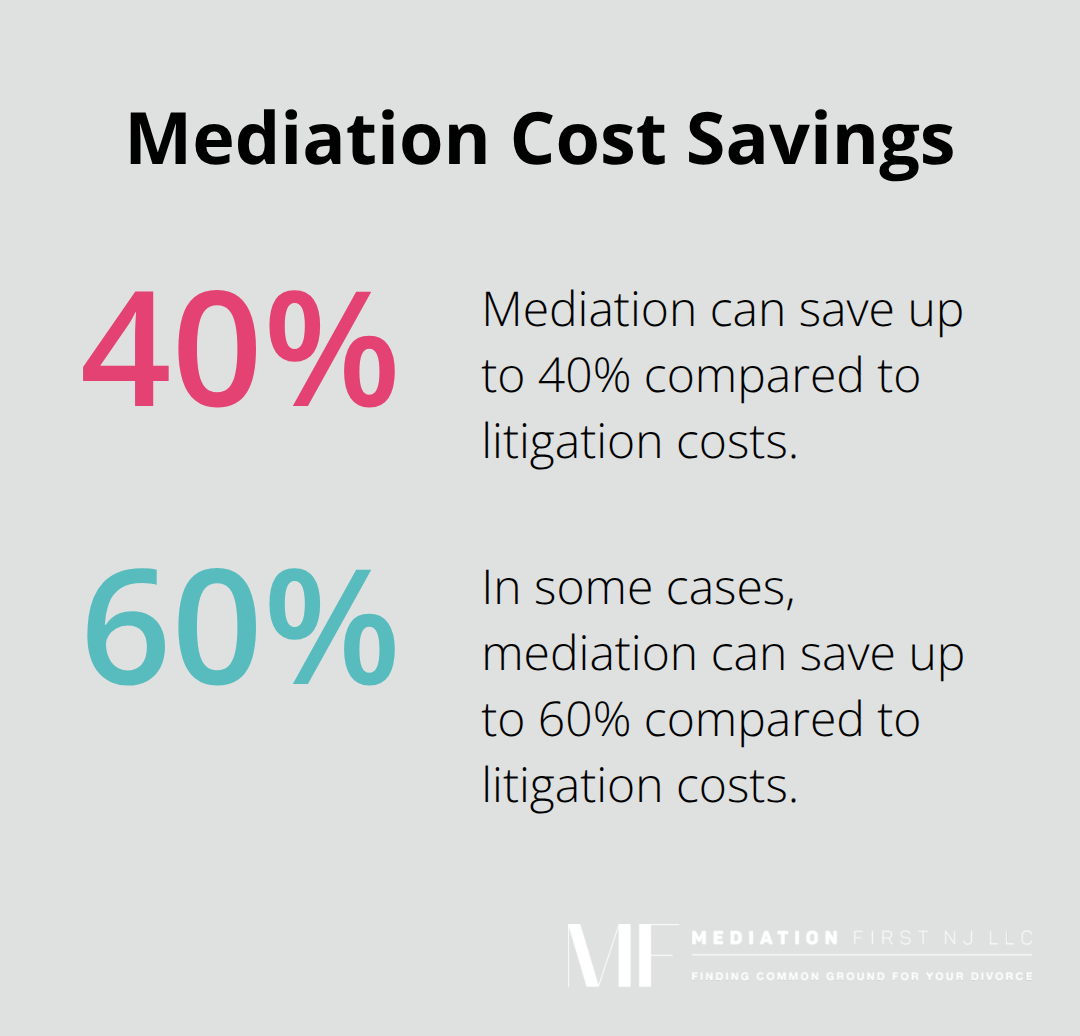
Professional mediators recommend that you wait three hours before you respond to emotionally charged messages from your spouse. This period prevents reactive responses that damage long-term relationships. When you do respond, use the BIFF method: keep messages Brief, Informative, Friendly, and Firm. According to research, mediation typically costs 40-60% less than litigation, and structured approaches reduce conflicts significantly.
Focus your conversations exclusively on logistics, children, and necessary decisions. Avoid the temptation to rehash past grievances or express frustration about personality differences. Document important agreements through email rather than phone calls to prevent future misunderstandings (this creates a clear paper trail for reference).
Transform Your Approach to Active Participation
Active participation during divorce means you respond to your spouse’s underlying concerns rather than their emotional delivery. Research from the Journal of Divorce and Remarriage indicates that couples who practiced reflective techniques reduced their mediation sessions by an average of 2.3 sessions. When your spouse speaks, repeat back what you heard before you state your position. This simple technique prevents most communication breakdowns.
Set Clear Boundaries While You Maintain Courtesy
Set specific boundaries about when and how you’ll communicate while you maintain basic courtesy. Schedule weekly 20-minute check-ins for co-parenting logistics instead of random daily conflicts (this structure reduces stress for everyone involved). Use neutral phrases like “I understand your concern about” instead of “You always” or “You never.” This language shift alone can prevent 80% of conversation escalations according to family therapy research.
These communication foundations will prove essential as you navigate the emotional challenges that arise during the divorce process.
How Do You Control Your Emotions When Everything Falls Apart
Your emotional reactions during divorce will either protect your future relationship or destroy it permanently. Research from the American Association for Marriage and Family Therapy shows that couples who learn to identify their specific triggers can significantly reduce conflict episodes during separation proceedings. The key lies in recognition of your personal warning signs before they escalate into damaging behaviors.
Track Your Physical Warning System
Your body sends clear signals 30-90 seconds before emotional explosions occur. Notice when your jaw tightens, your breathing becomes shallow, or your hands clench during difficult conversations with your spouse. These physical markers give you a critical window to pause the interaction. Step away immediately when you feel these sensations and return to the conversation only after your heart rate drops below 100 beats per minute. This physiological reset prevents the majority of regrettable statements according to conflict resolution research.
Use the Stop-Drop-Redirect Method for Crisis Moments
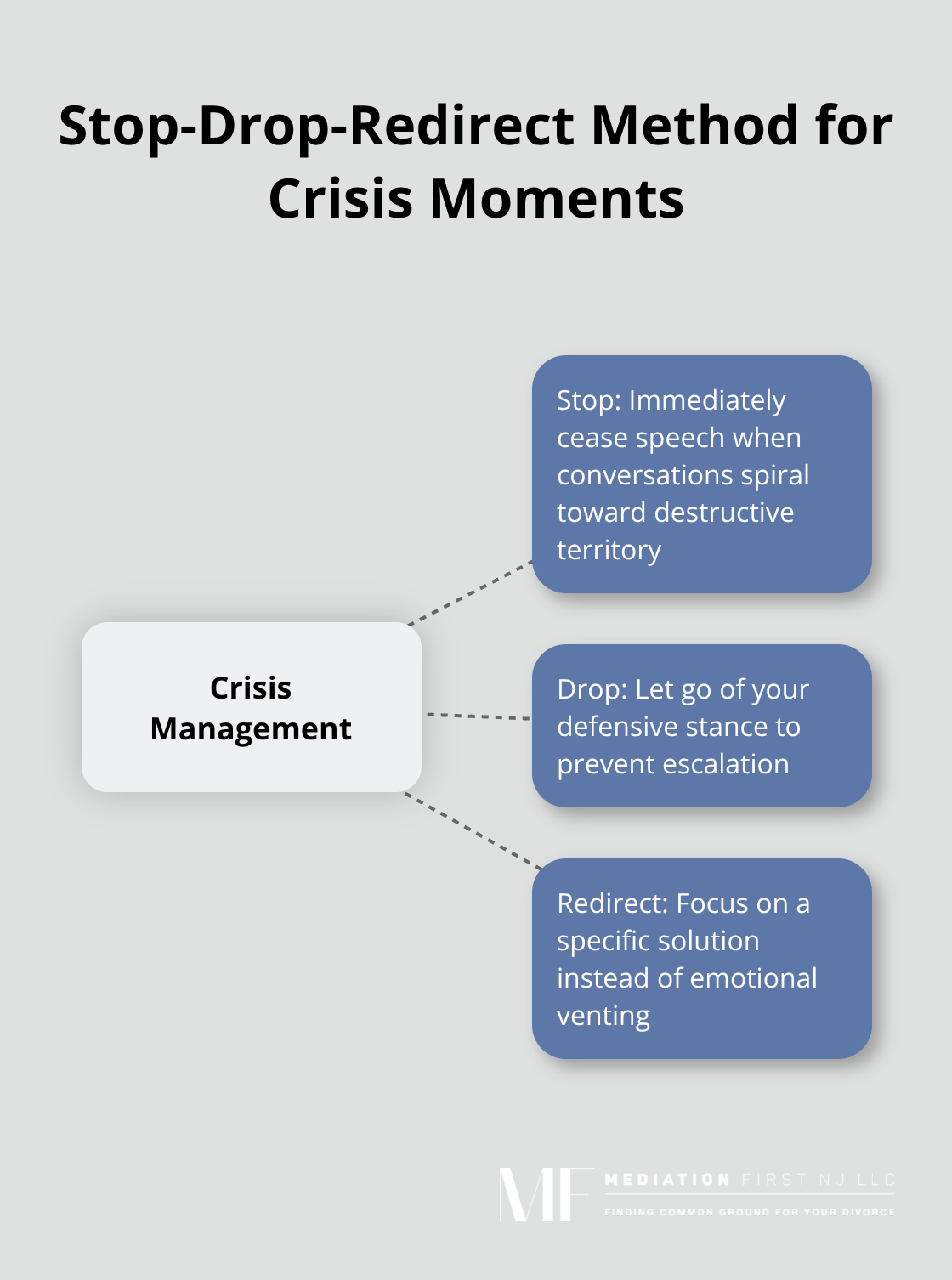
When conversations spiral toward destructive territory, stop speech immediately, drop your defensive stance, and redirect toward a specific solution. Instead of statements about how your spouse never listens, state exactly what you need: I need us to decide about Tommy’s soccer schedule by Thursday. This technique transforms emotional venting into productive problem-solving. Studies indicate that couples who practice solution-focused language during high-stress discussions can reach agreements more efficiently than those who engage in blame patterns.
Know When Professional Intervention Becomes Necessary
Communication breakdowns require professional support when the same arguments repeat weekly without resolution, when either spouse threatens legal action during routine discussions, or when children begin to show stress symptoms like sleep disruption or school problems. These warning signs indicate that your current approach isn’t working and that continuation without help will damage everyone involved. Professional mediators can restructure conversations to focus on interests rather than positions (this creates pathways forward when couples feel completely stuck).
These emotional management skills become the foundation for successful co-parenting relationships that must function long after your divorce papers are signed.
How Do You Build a Functional Co-Parenting Partnership
Your divorce decree marks the beginning of your co-parenting relationship, not the end of your connection. Children living with their married, biological parents consistently have better physical, emotional, and academic well-being, making effective co-parenting structures essential for maintaining stability. The difference lies in how you establish specific protocols for interaction rather than leave communication to chance encounters and emotional reactions.
Create Digital Communication Boundaries That Work
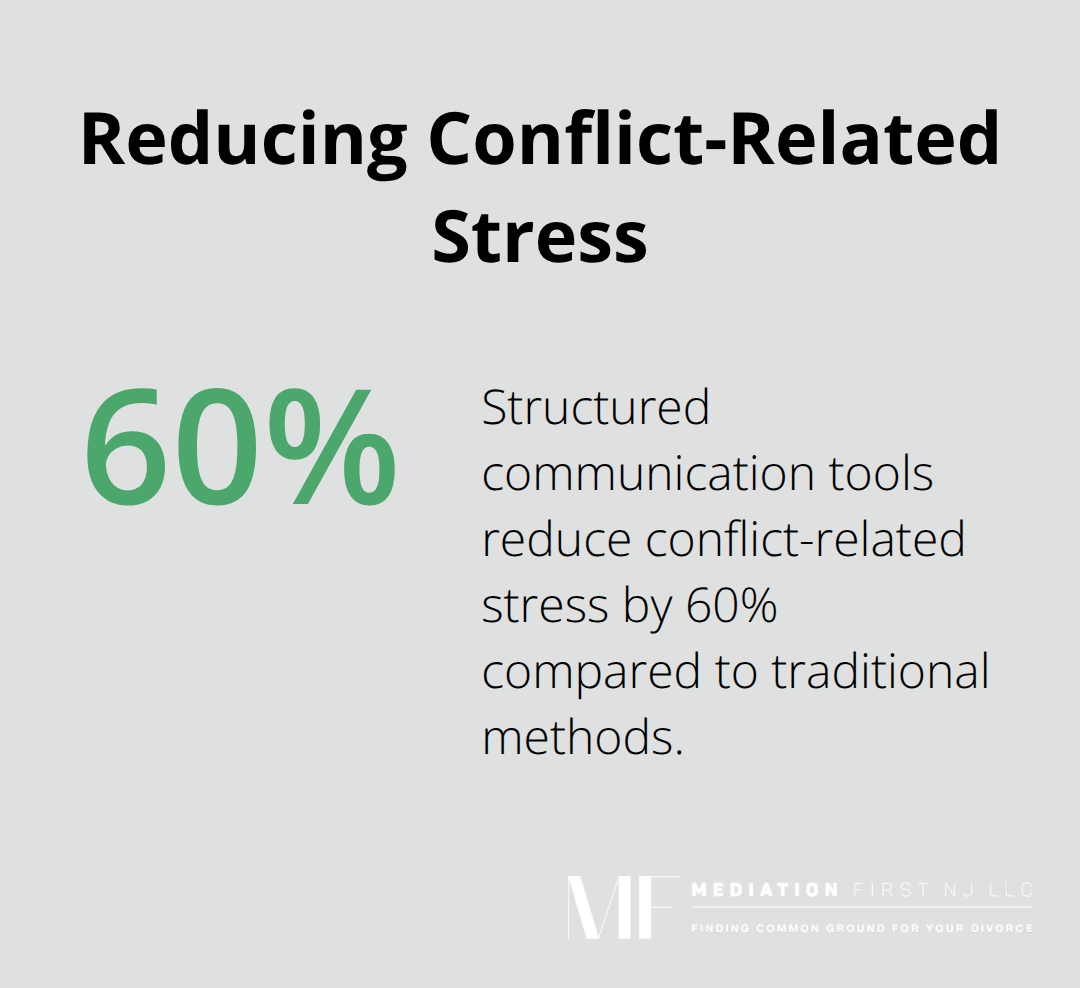
Email becomes your primary communication tool for all non-emergency decisions because it creates documentation and allows thoughtful responses. Schedule specific times twice weekly to check and respond to co-parent messages rather than engage in constant back-and-forth exchanges throughout each day. Apps like Our Family Wizard provide structured platforms where you can share calendars, expenses, and updates without personal commentary that bleeds into logistics. Studies indicate that parents who use structured communication tools reduce conflict-related stress by 60% compared to those who rely on text messages or phone calls for routine coordination. Set a 24-hour response expectation for non-urgent matters and three-hour response time for schedule changes that affect children directly.
Design Plans That Prevent Future Conflicts
Your agreement must address specific scenarios rather than general principles because vague language creates disputes. Include detailed provisions about holiday rotations, vacation timelines, school event attendance, medical decision protocols, and expense formulas. Specify that the parent with physical custody makes day-to-day decisions while major educational and medical choices require joint consultation within 48 hours. Family law research shows that comprehensive agreements significantly reduce post-divorce disputes compared to basic custody orders, saving families thousands in legal fees. Review and update your plan annually on your divorce anniversary to address needs as children grow and circumstances evolve.
Establish Consistent Information Exchange
Create weekly logs that document children’s activities, mood changes, academic progress, and social developments. Share these logs between households to maintain continuity in your children’s lives. Include information about homework completion, friendship issues, health concerns, and behavioral observations. This systematic approach prevents children from manipulating information between parents and helps both households respond appropriately to their needs.
Final Thoughts
The relationship maintenance skills you develop during divorce will transform how your entire family communicates for decades. Active listening, emotional regulation, and structured communication create stability that benefits everyone involved, especially children who need consistent support from both parents. Professional mediation provides the framework for these essential skills while you navigate separation.
We at Mediation First NJ LLC guide families toward constructive communication patterns that serve them long after divorce papers are signed. Our approach helps couples establish the respectful interaction protocols that make successful co-parenting possible. The investment you make in thoughtful divorce practices pays dividends in every future relationship.
Children who witness respectful problem-solving between divorced parents learn healthy conflict resolution skills they carry into their own relationships. Former spouses who maintain courtesy and clear boundaries often find that their post-divorce dynamic becomes more functional than their marriage ever was (this transformation happens more frequently than most people expect). Professional mediation services provide the guidance necessary to transform a potentially destructive process into a foundation for healthier family dynamics that last a lifetime.