

Divorce mediation offers a collaborative approach to ending a marriage, but many wonder, “Do I need a lawyer for divorce mediation?” At Mediation First NJ LLC, we often hear this question from couples considering their options.
While legal representation isn’t always necessary, understanding when and how a lawyer can support the mediation process is crucial for making an informed decision. This blog post will explore the role of attorneys in divorce mediation and help you determine if legal counsel is right for your situation.
What Is Divorce Mediation?
Definition and Process
Divorce mediation is a process where separating couples work with a neutral third party to resolve their disputes without court intervention. This approach has gained popularity due to its cost-effectiveness and potential for reduced conflict compared to traditional litigation.
Mediation vs. Litigation
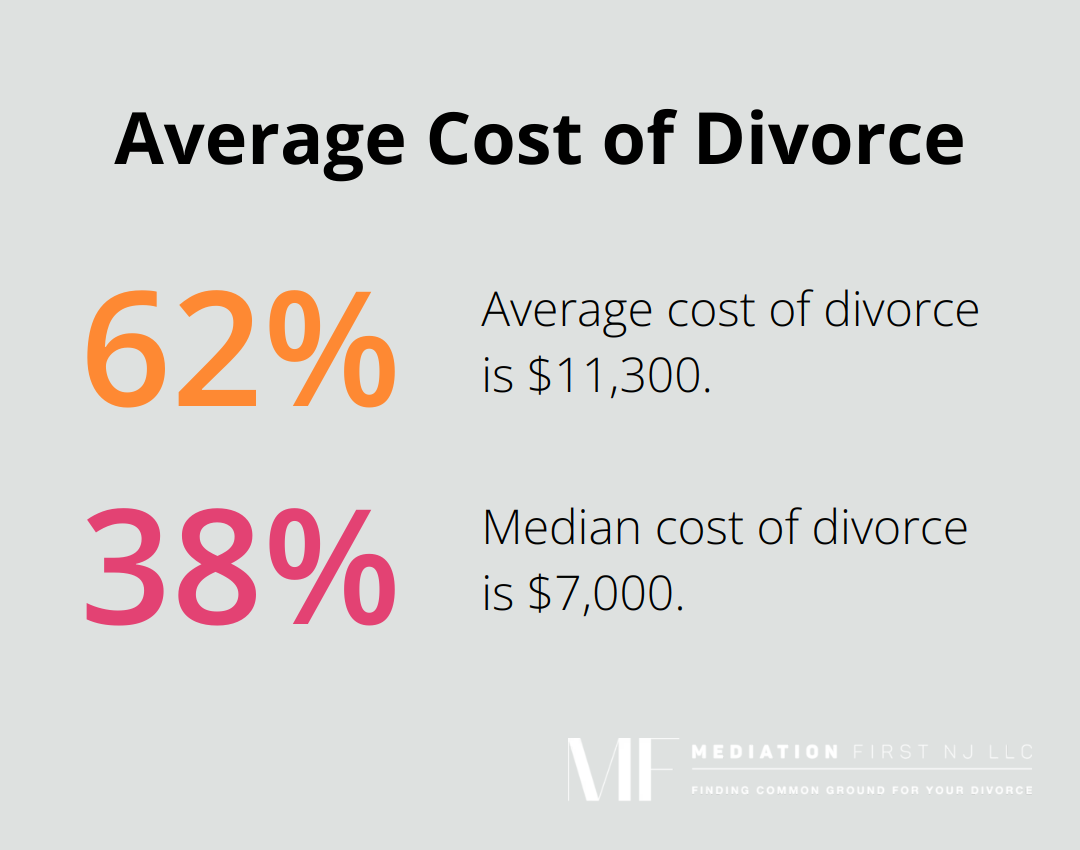
Traditional divorce litigation involves each spouse hiring an attorney to represent their interests in court. This adversarial process often increases tension and costs. According to recent research, the average cost of a divorce is $11,300, with a median cost of $7,000.
In contrast, mediation typically involves fewer legal fees and lower overall costs, as the process is generally faster and requires fewer court appearances. This significant cost difference is a primary reason many couples choose mediation for their divorce resolution.
The Mediator’s Role
A divorce mediator acts as a neutral facilitator, helping couples communicate effectively and reach mutually acceptable agreements. Unlike judges or attorneys, mediators don’t make decisions for the couple. They guide discussions, provide information about legal requirements, and help identify creative solutions to disputes.
Benefits of Mediation
Mediation offers several advantages over traditional litigation:
- Faster resolution: Mediated divorces often settle more quickly than litigated divorces.
- Greater control: Couples have more say in the outcome of their divorce, rather than leaving decisions to a judge.
- Improved communication: The mediation process can help establish better communication patterns, which is especially beneficial for co-parenting after divorce.
- Confidentiality: Unlike court proceedings, mediation sessions are private and confidential.
Suitability of Mediation
While mediation has many benefits, it’s not suitable for all situations. Cases involving domestic violence, substance abuse, or severe power imbalances may require court intervention. Additionally, if one spouse is unwilling to negotiate in good faith, mediation may not be effective.
Before choosing mediation, it’s important to assess your specific circumstances and consult with a professional to determine if it’s the right path for your divorce. Many couples find that a combination of mediation and limited legal counsel provides the best of both worlds – the collaborative spirit of mediation with the security of legal advice when needed.
As we move forward, let’s explore the role of lawyers in divorce mediation and how they can support this process.
How Lawyers Enhance Divorce Mediation
Legal Consultation Before Mediation
Lawyers provide valuable support in divorce mediation, even when they don’t participate directly in the sessions. Their expertise can significantly impact the outcome of your mediation process, protecting your rights and helping you make informed decisions.
Before you start mediation, consulting with a lawyer proves wise. This step enables you to fully understand your legal rights and obligations. A lawyer helps you identify key issues to address during mediation, such as property division, child custody, and spousal support. They also offer insights into local laws and precedents that may affect your case.
For instance, equitable distribution laws in New Jersey govern how marital property splits. Understanding these laws beforehand empowers you to negotiate more effectively during mediation. Before the mediation session, attorneys often discuss the process between themselves and with the mediator, exchange documents, and prepare their clients.
Legal Review of Mediation Agreements
After you reach an agreement in mediation, having a lawyer review the terms before signing is essential. This review ensures that the agreement is legally sound and serves your best interests. Lawyers spot potential issues you might overlook, such as tax implications of property transfers or long-term financial consequences of support arrangements.
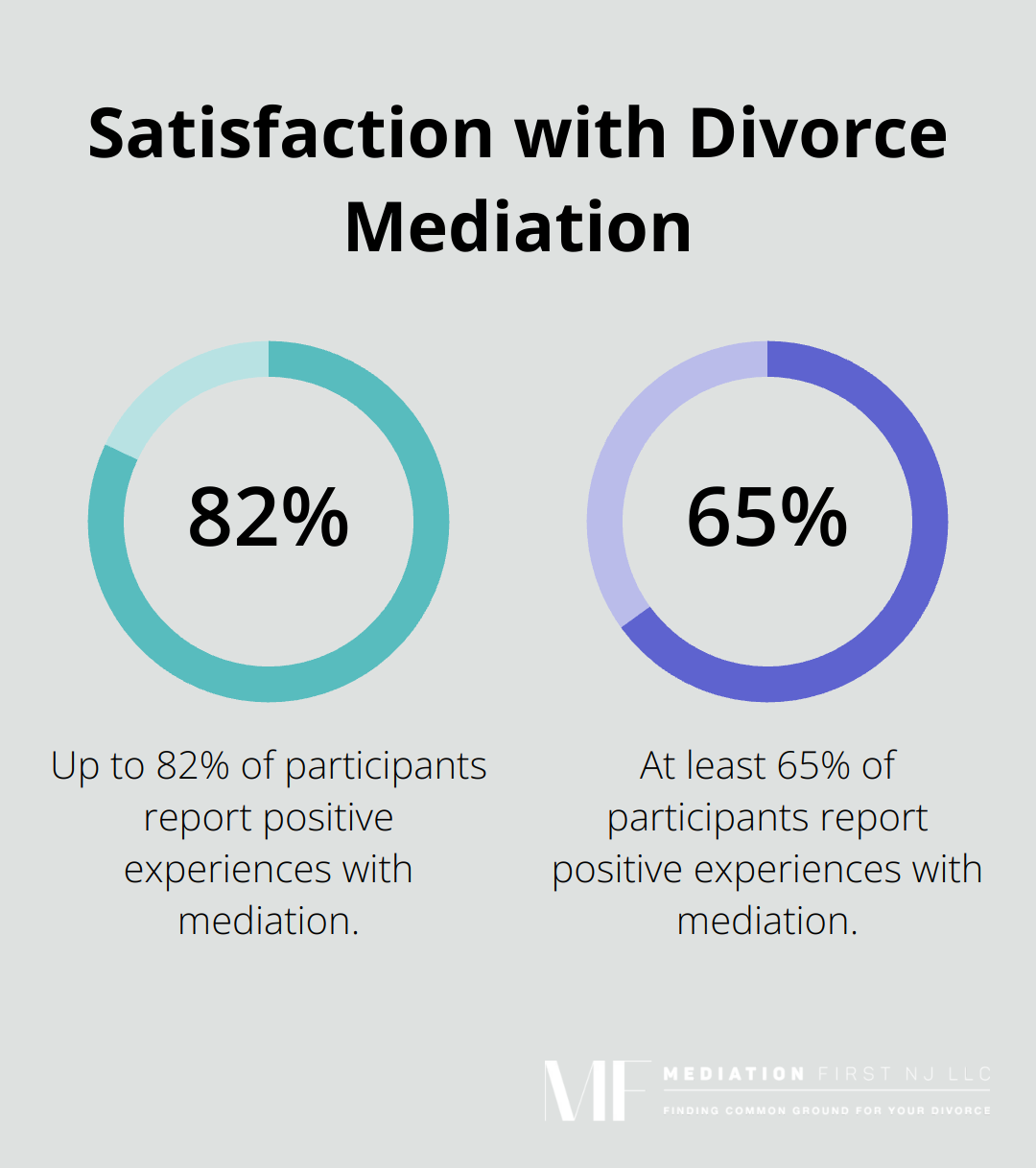
Party satisfaction with the mediation process and mediators shows that 65 to 82 percent of participants report positive experiences.
Lawyers as Mediation Coaches
Some lawyers offer services as mediation coaches, providing guidance without being present in the mediation room. This approach particularly helps if you feel comfortable negotiating directly with your spouse but want ongoing legal support.
A mediation coach helps you prepare for each session, strategize your negotiation approach, and provide real-time advice during breaks. This method combines the benefits of legal representation with the collaborative spirit of mediation.
Complex Financial Situations
In cases involving complex financial assets (such as businesses, investments, or retirement accounts), a lawyer’s expertise proves invaluable. They work with financial experts to ensure all assets receive proper valuation and division. The American Academy of Matrimonial Lawyers reports that divorces involving high-net-worth individuals or complex financial portfolios benefit significantly from legal representation during mediation.
Domestic Violence or Power Imbalances
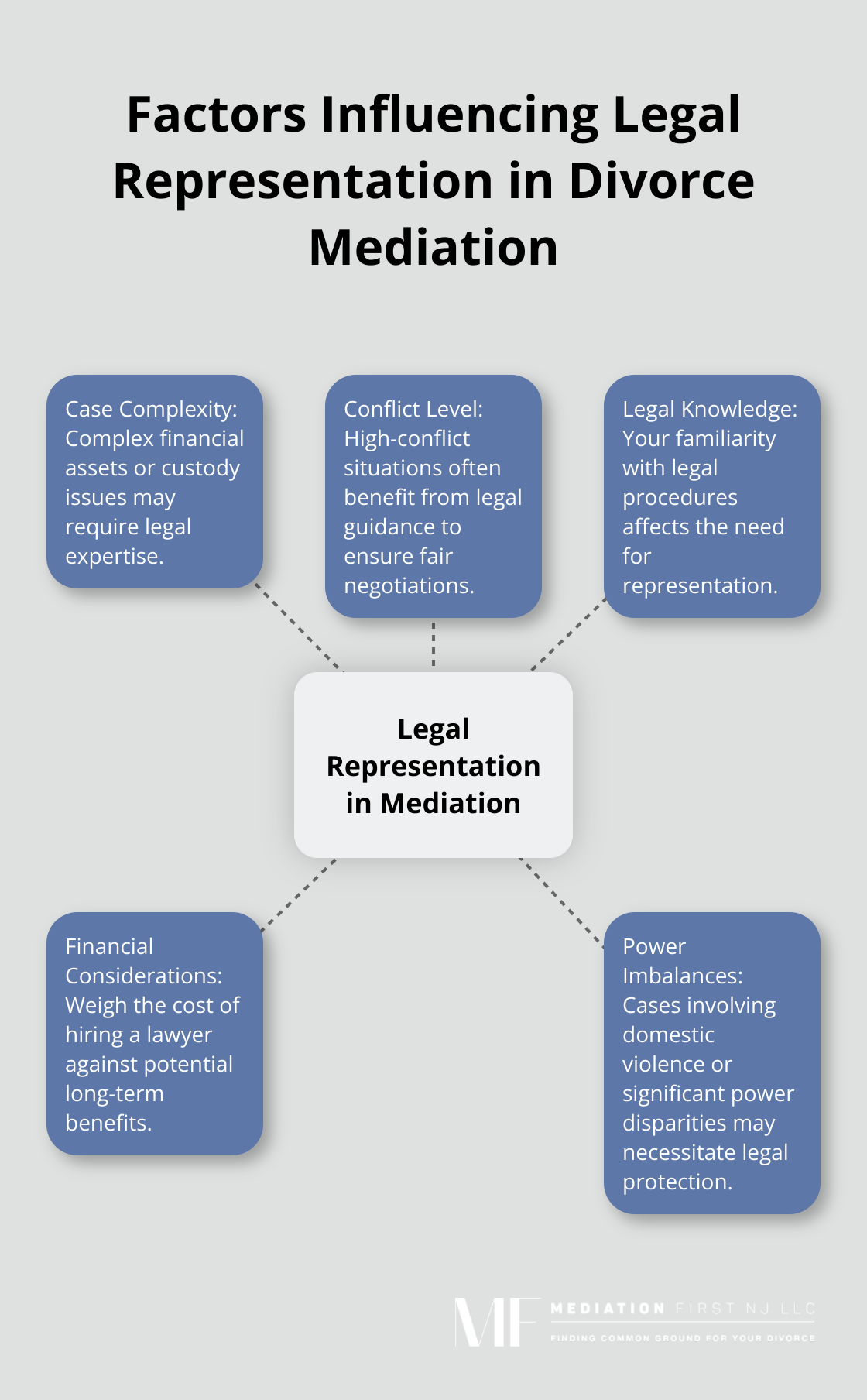
When a history of domestic violence or a significant power imbalance between spouses exists, legal representation becomes crucial. A lawyer advocates for safety measures and ensures that the mediation process remains fair and equitable. In these situations, having an attorney present during mediation sessions may prove necessary to protect your interests.
As we move forward, let’s explore the factors you should consider when deciding whether to involve a lawyer in your divorce mediation process.
Is Legal Representation Right for Your Mediation?
Assessing Case Complexity
The complexity of your divorce influences the need for legal representation. Simple cases with few assets and no children might not require extensive legal involvement. However, cases involving substantial property, businesses, or intricate financial portfolios demand legal expertise. The Family Law Quarterly provides analytical views on existing and emerging family law issues, which can be helpful for practitioners dealing with complex cases.
Evaluating Conflict Levels
The degree of conflict between you and your spouse determines the need for legal support. High-conflict situations often benefit from legal guidance to ensure fair negotiations.
Understanding Legal Processes
Your familiarity with legal procedures and comfort in navigating them independently affects the decision to hire a lawyer. If you understand legal documents and negotiate effectively, you might proceed without representation.
Financial Considerations
The cost of hiring a lawyer adds to the overall expense, but it can potentially save money in the long run by ensuring a fair and comprehensive agreement. According to the Institute for Divorce Financial Analysts, you should expect your income to drop after the divorce is final. They recommend developing a budget based on needs, not wants, and keeping in mind that your expenses need to be adjusted accordingly.
Seeking Professional Advice
Each case presents unique challenges and circumstances. A consultation with a family law attorney before starting the mediation process allows you to make an informed decision about legal representation. This approach aligns with your specific circumstances and goals, ensuring you receive the appropriate level of legal support throughout your mediation journey.
Final Thoughts
The decision to involve a lawyer in divorce mediation depends on your unique circumstances. You must consider the complexity of your case, level of conflict, understanding of legal processes, and financial considerations. Legal representation can provide valuable protection and guidance, but it’s important to weigh these benefits against the additional costs and potential impact on the collaborative nature of mediation.
At Mediation First NJ LLC, we understand the nuances of divorce mediation and can help guide you through this process. Our experienced mediators work to create a respectful environment where you and your spouse can reach mutually beneficial agreements. We prioritize open communication and collaboration to achieve outcomes that serve your family’s best interests.
The question “Do I need a lawyer for divorce mediation?” doesn’t have a one-size-fits-all answer. You must assess your specific situation and make an informed decision that aligns with your goals and comfort level. The goal of mediation is to find solutions that work for both parties, setting the foundation for a positive future.