
Custody mediation can feel overwhelming, but proper preparation makes all the difference. We at Mediation First NJ LLC have helped countless families navigate this process successfully.
This custody mediation preparation checklist walks you through everything you need to know before your session. From gathering documents to managing emotions, we’ll show you exactly what to do.
What Actually Happens in a Mediation Session
The Opening and Your Statement
Mediation starts with a structured opening where the mediator explains confidentiality rules, outlines the process flow, and sets ground rules for respectful communication. You then present your perspective on custody and parenting time in an opening statement-typically five to ten minutes-without interruption from the other parent. This is not a debate. The mediator listens and takes notes but does not judge. After both parents present their opening statements, the real work begins.
Private Caucuses and Honest Conversation
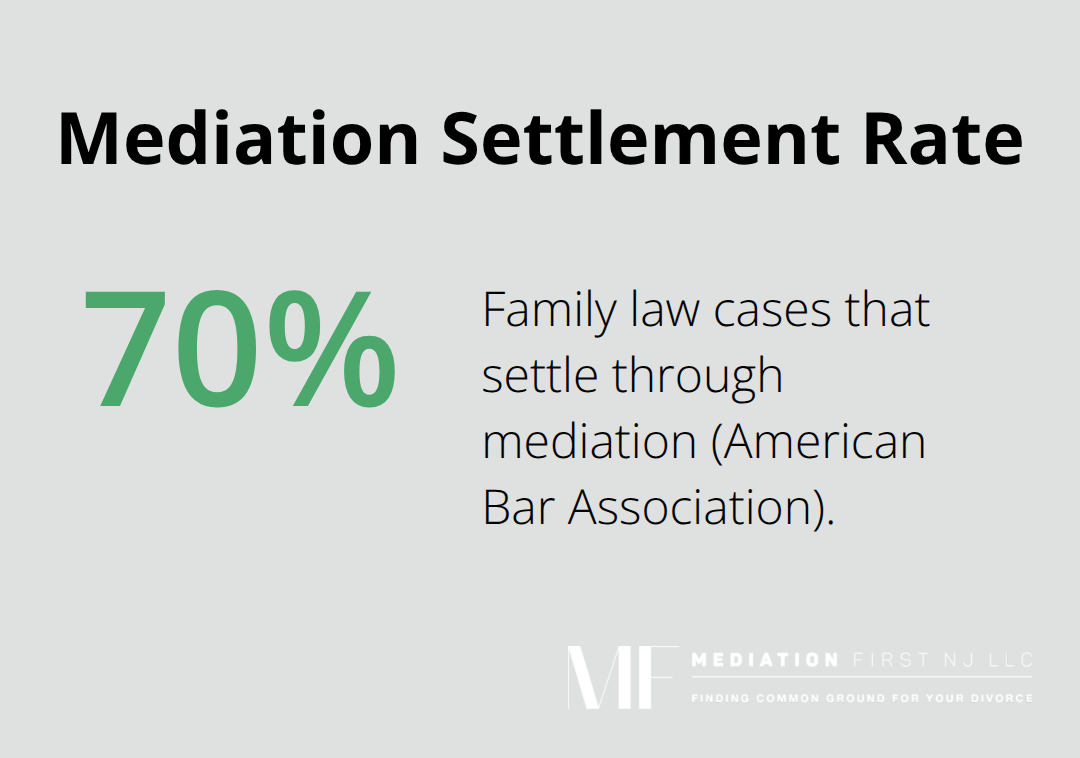
The mediator moves into private caucuses, meeting with you alone in a separate room while the other parent waits elsewhere. During your caucus, the mediator asks detailed questions about your priorities, concerns, and flexibility on key issues like parenting schedules, holidays, and decision-making authority. This is where you speak candidly about what matters most to you. The mediator then shuttles between rooms, carrying proposals and counterproposals without revealing what either party said in confidence. Mediation sessions generally last one to two hours and may be held over a few weeks or months. According to data from the American Bar Association, approximately 70 percent of family law cases settle through mediation, meaning most families reach agreement without a judge deciding their custody arrangement.
How Mediation Differs from Court
In court, a judge makes binding decisions after hearing arguments and reviewing evidence, leaving you with limited control over the outcome. In mediation, you retain full decision-making power and can accept, reject, or modify any proposal at any time. Court cases also move slowly-many take eighteen months or longer to reach trial-while mediation may be held over a few weeks or months. Mediation costs significantly less because you avoid discovery, depositions, and lengthy litigation. The New Jersey courts now require mediation before many custody cases proceed to trial, recognizing that parties who negotiate their own agreements experience lower post-settlement conflict and better long-term co-parenting relationships. Court proceedings are public record; mediation is confidential, protecting your family’s privacy. The mediator’s role is fundamentally different from a judge: they do not decide winners or losers but instead help you and the other parent identify common ground, reality-test proposals, and craft a parenting plan that works for your family’s specific circumstances.
The Mediator’s Neutral Role
A mediator is a neutral third party trained to facilitate negotiation without taking sides or imposing solutions. They identify areas of agreement early, helping you build momentum, and then focus on narrower disagreements. Good mediators point out weaknesses in your position that a judge would likely see, pushing you toward realistic proposals rather than letting you chase unrealistic demands that waste time. They also flag red flags-like proposals that ignore the child’s school schedule or fail to address holiday transitions-and help you strengthen your plan before it becomes a court order. The mediator does not give legal advice; your attorney handles that role. What the mediator does is ask tough questions, reframe positions in ways that open dialogue, and occasionally suggest creative solutions you might not have considered. They maintain strict confidentiality, meaning nothing said in a private caucus can be shared with the other party without your permission, and nothing discussed during mediation can be used as evidence in court if mediation fails and the case goes to litigation. This confidentiality protection gives you freedom to explore options and speak honestly without fear of those statements being weaponized later.
With a clear understanding of how mediation actually works, you can now focus on the practical steps that set you up for success-starting with the documents and information you need to bring.
What Documents You Actually Need
Financial Records That Matter
Bring your most recent pay stubs covering the last three months, your last two years of tax returns, and any documentation of additional income like bonuses, freelance work, or side businesses. The mediator needs accurate income figures to discuss child support, parenting time adjustments, and who pays for childcare. Current bank statements from all accounts you own or control, mortgage or lease documents showing your housing situation, and documentation of any debts all factor into the mediation conversation. If you’ve had childcare costs in the past twelve months, gather those receipts or statements because they directly affect support calculations and custody arrangements.
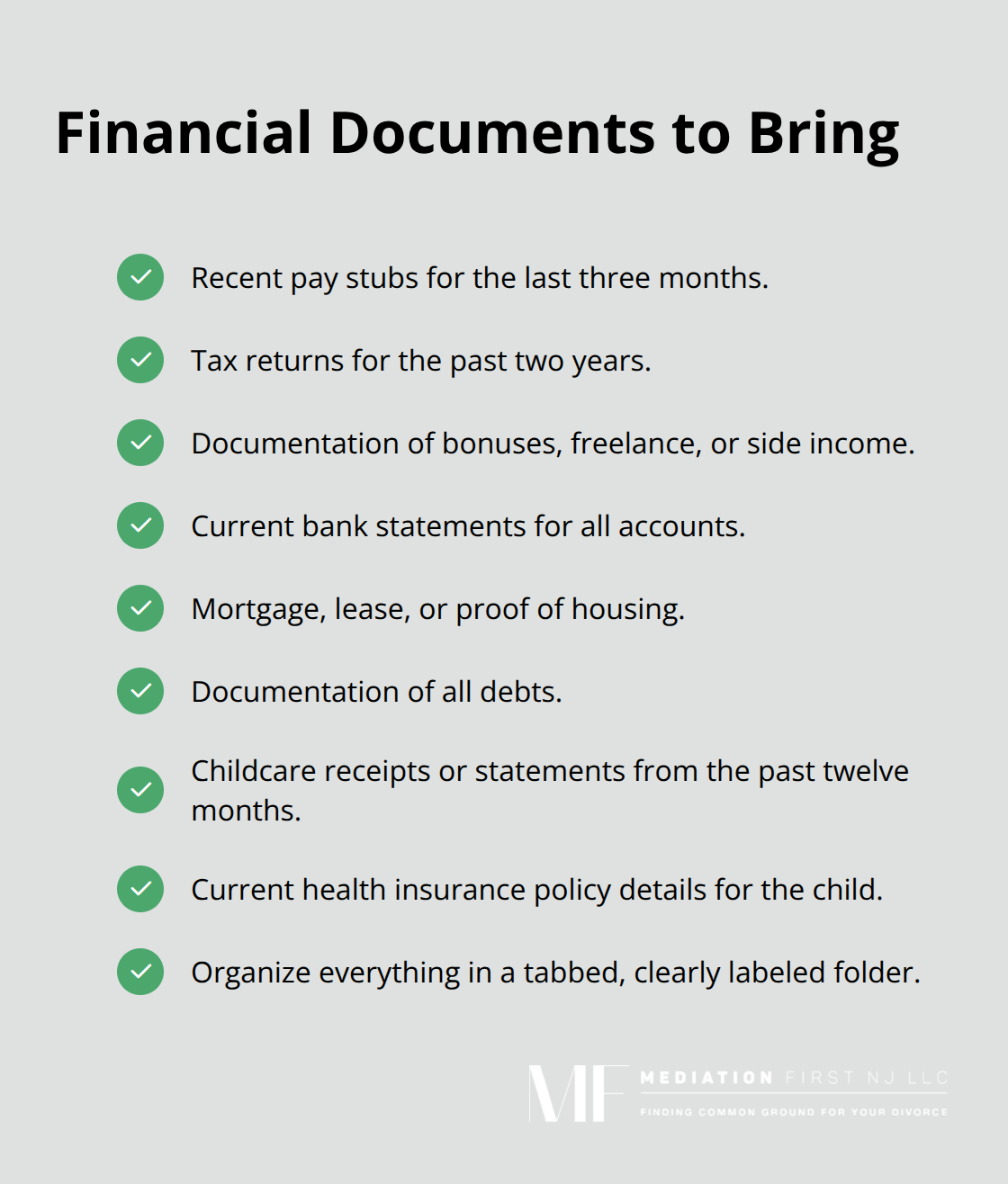
Health insurance documents matter too-bring your current policy details and coverage information for your child. Most parents overlook this, but the mediator will ask who carries the child’s health insurance and how medical costs split between you. Organize these financial documents in a folder with tabs or clearly labeled sections so the mediator can reference them quickly without asking you to hunt through papers.
Your Parenting History and Schedule
Create a detailed calendar covering the past six months showing when you had the child, your work hours, vacation days, and any recurring commitments. Include the child’s school calendar, start and end times, early dismissal days, and any four-day week schedules common in New Jersey districts. Attach the child’s extracurricular schedule with practice times, game dates, and activity costs. If you served as the primary caregiver for doctor’s appointments, school events, or daily activities, document that pattern with dates and details. Bring copies of the child’s report cards, medical records from the last two years including vaccination records, current medications, allergies, and the contact information for the child’s pediatrician and any specialists. Schools often use online portals-bring screenshots or printed records showing your involvement in the child’s education if relevant. This documentation proves your parenting role and helps build a realistic schedule that accommodates the child’s actual needs rather than a theoretical arrangement that sounds good but falls apart in practice.
How to Organize Everything for Maximum Impact
Weak organization wastes mediation time. You’ll spend your session answering basic questions instead of negotiating custody terms if you show up unprepared. Without accurate financial records, the mediator cannot discuss child support or parenting time adjustments that account for your actual situation. Without parenting history and the child’s schedule, you cannot propose a realistic arrangement that works for school, activities, and both parents’ work commitments. The documents you bring become the foundation for every proposal you make and every counterproposal you evaluate. When you organize these materials clearly, the mediator can reference them quickly, reality-test your proposals against actual facts, and help you spot weaknesses in your position before you present it to the other parent. This preparation transforms mediation from a guessing game into a focused negotiation grounded in evidence.
Prepare Emotionally and Strategically for the Session
Define Your Three-Tier Priority Structure
Clarity about your priorities separates productive mediation from wasted sessions. Before you walk into the room, you need to know exactly what matters most to you and where you can compromise. Write down three categories: your ideal outcome, your acceptable middle ground, and your absolute bottom line. For custody, your ideal outcome might be primary physical custody with the child living with you four days per week and the other parent having two overnight visits. Your acceptable compromise could shift to a 50-50 split with alternating weeks if the other parent commits to stable housing near the child’s school.

Your bottom line might be that you will not accept a schedule requiring the child to change schools or move away from established friendships and activities. This structure prevents you from making desperate concessions in the moment or anchoring on unrealistic demands that derail negotiations.
Research from the Harvard Negotiation Project shows that parties who define your walk-away point before negotiations start reach better outcomes than those who decide on the fly. Write these categories down and share them with your attorney before mediation so they can reality-test your bottom line against what a judge would likely order. Many parents discover their bottom line is actually negotiable once they hear what a judge typically awards in similar cases.
Shift Your Communication Toward the Child’s Needs
Communication patterns matter far more than you think. The mediator will interrupt if voices rise or insults fly, but subtle patterns of blame, defensiveness, and dismissal erode your credibility and harden the other parent’s position. Shift your communication toward the child’s needs rather than personal attacks. Instead of saying the other parent is irresponsible and cannot be trusted with overnight visits, say you want a schedule that ensures the child attends school consistently and maintains tutoring appointments on Tuesday and Thursday evenings. This shift sounds small but changes everything: you sound reasonable, the mediator sees legitimate concern for the child rather than personal attack, and the other parent hears a problem to solve instead of an accusation to defend.
Build a Detailed Parenting Proposal
Bring a proposed parenting plan to mediation that shows you have thought through real logistics like school drop-off times, activity transportation, holiday splits, and how the child transitions between homes. A solid proposal demonstrates you prioritize the child’s stability and routine, not your own convenience. If your proposal accounts for the child’s school calendar, extracurricular commitments, and both parents’ work schedules, the mediator will use it as a starting point for negotiation. Vague proposals like “I want significant time with my child” waste mediation hours because the mediator must ask clarifying questions instead of comparing specific schedules.
Detailed proposals also reveal weaknesses in your thinking before the other parent exploits them. If your proposed schedule requires the child to attend soccer practice three times per week but you work until 6 p.m. and practice starts at 5 p.m., you have created an impossible situation. Fix that gap before mediation-this shows you are serious about workable solutions, not fantasy arrangements.
Final Thoughts
You now have a complete custody mediation preparation checklist that covers documentation, emotional readiness, and strategic planning. The work you complete before walking into mediation directly determines whether you reach agreement quickly or waste time answering basic questions about your finances and parenting history. Parents who arrive organized, clear about their priorities, and prepared with realistic proposals settle faster and feel more confident about the outcome.
Mediation typically produces results within weeks rather than months. Once you and the other parent reach agreement, the mediator drafts a written parenting plan that the court approves, and this plan becomes a binding order that gives you legal clarity and enforceability if disputes arise later. If mediation does not produce full agreement, you have not lost ground-the process remains confidential, and you can pursue litigation knowing you made a genuine effort to negotiate.
Families who negotiate their own custody arrangements report lower post-settlement conflict and stronger co-parenting relationships than those who litigate. We at Mediation First NJ LLC help families in New Jersey move through this process with clarity and confidence, and our mediators guide you toward agreements that work for your specific situation rather than theoretical arrangements that sound good on paper.