

Facing divorce in New Jersey can be overwhelming, but understanding your options is the first step toward a smoother process. At Mediation First NJ LLC, we’ve guided countless couples through their divorce choices, helping them find the path that best suits their unique situations.
From traditional litigation to collaborative approaches and mediation, each method offers distinct advantages and challenges. This guide will explore these options, empowering you to make an informed decision about your divorce journey in the Garden State.
What Happens in Traditional Divorce Litigation?
The Court-Based Process
Traditional divorce litigation in New Jersey involves a court-based process that can be complex and time-consuming. Couples who choose this route essentially hand over control of their divorce to the legal system.
In a litigated divorce, each spouse hires an attorney to represent their interests. These attorneys file necessary paperwork, gather evidence, and present arguments before a judge. The process typically includes several court appearances, such as status conferences, motion hearings, and potentially a trial if agreements can’t be reached.
According to New Jersey Courts statistics, dissolution cases typically take about 6 months from filing to completion.
Financial Implications of Litigation
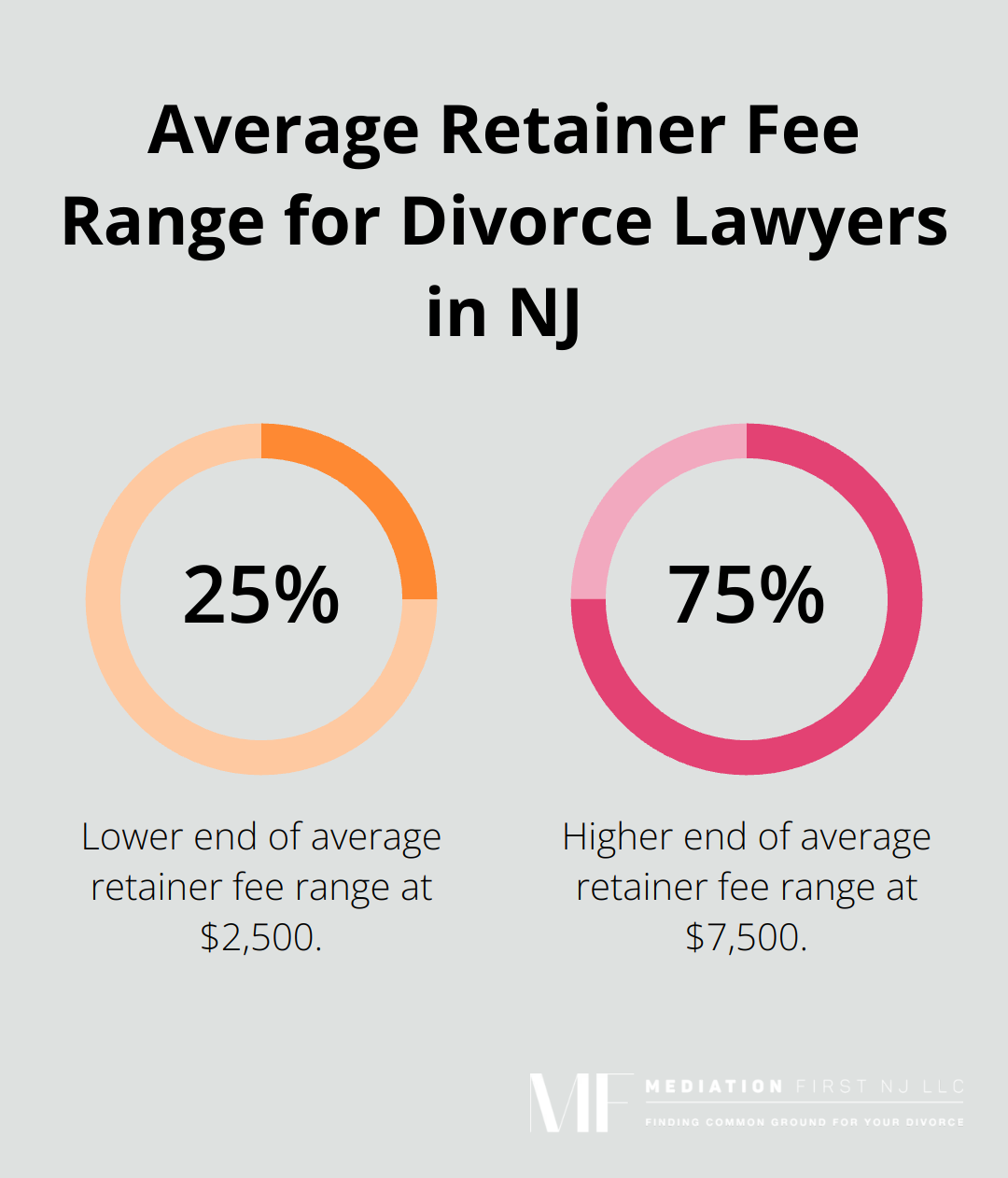
Litigation often represents the most expensive divorce option. The average retainer fee for a divorce lawyer in New Jersey is typically between $2,500 and $7,500, depending on the complexity of the case. When you factor in court costs, expert witnesses, and other expenses, the total bill for a litigated divorce can be substantial. In high-conflict cases, costs can escalate significantly.
Emotional Impact on Families
The adversarial nature of litigation can intensify tensions between spouses. This heightened conflict often affects children and extended family relationships. A study by the American Psychological Association found that children of high-conflict divorces are more likely to experience behavioral problems and academic difficulties.
When Litigation Becomes Necessary
Despite its drawbacks, litigation may prove the best option in certain situations. These include cases involving domestic violence, substance abuse, or when one spouse refuses to cooperate or hides assets. In these instances, the formal discovery process and court oversight can provide necessary protections.
Alternatives to Litigation
Many couples who start with litigation find the process too costly and stressful. As a result, they often explore alternative methods like mediation. While these alternatives can’t undo the emotional and financial toll of a partially litigated divorce, they can help couples reset and work towards a more amicable resolution.
As we move forward, let’s examine another approach to divorce that aims to reduce conflict and promote collaboration: the collaborative divorce process.
What Is Collaborative Divorce?
The Cooperative Approach to Ending a Marriage
Collaborative divorce offers a unique method to end a marriage that emphasizes cooperation over confrontation. In New Jersey, this process requires both spouses and their attorneys to sign an agreement to resolve all issues without court intervention.
The Collaborative Process in Action
Each spouse hires a specially trained collaborative lawyer in a collaborative divorce. These attorneys commit to resolving the divorce outside of court. If the process fails and litigation becomes necessary, both lawyers must withdraw, and the couple must hire new attorneys.
The collaborative team often includes other professionals such as financial advisors, child specialists, and divorce coaches. These experts provide neutral guidance to help couples make informed decisions about complex issues like property division, child custody, and support payments.
Benefits of a Multidisciplinary Team
One of the key advantages of collaborative divorce is the access to a team of experts. This multidisciplinary approach can lead to more comprehensive and tailored solutions. For example, a financial neutral can help uncover creative ways to divide assets that both parties might not have considered on their own.
Collaborative family law promotes shared parenting and encourages children spending time with both parents. This approach prioritizes the well-being of children in the divorce process.
Collaborative Divorce vs. Litigation
Unlike litigation, where a judge makes final decisions, collaborative divorce puts control in the hands of the spouses. This often leads to more satisfying outcomes and better long-term compliance with agreements.
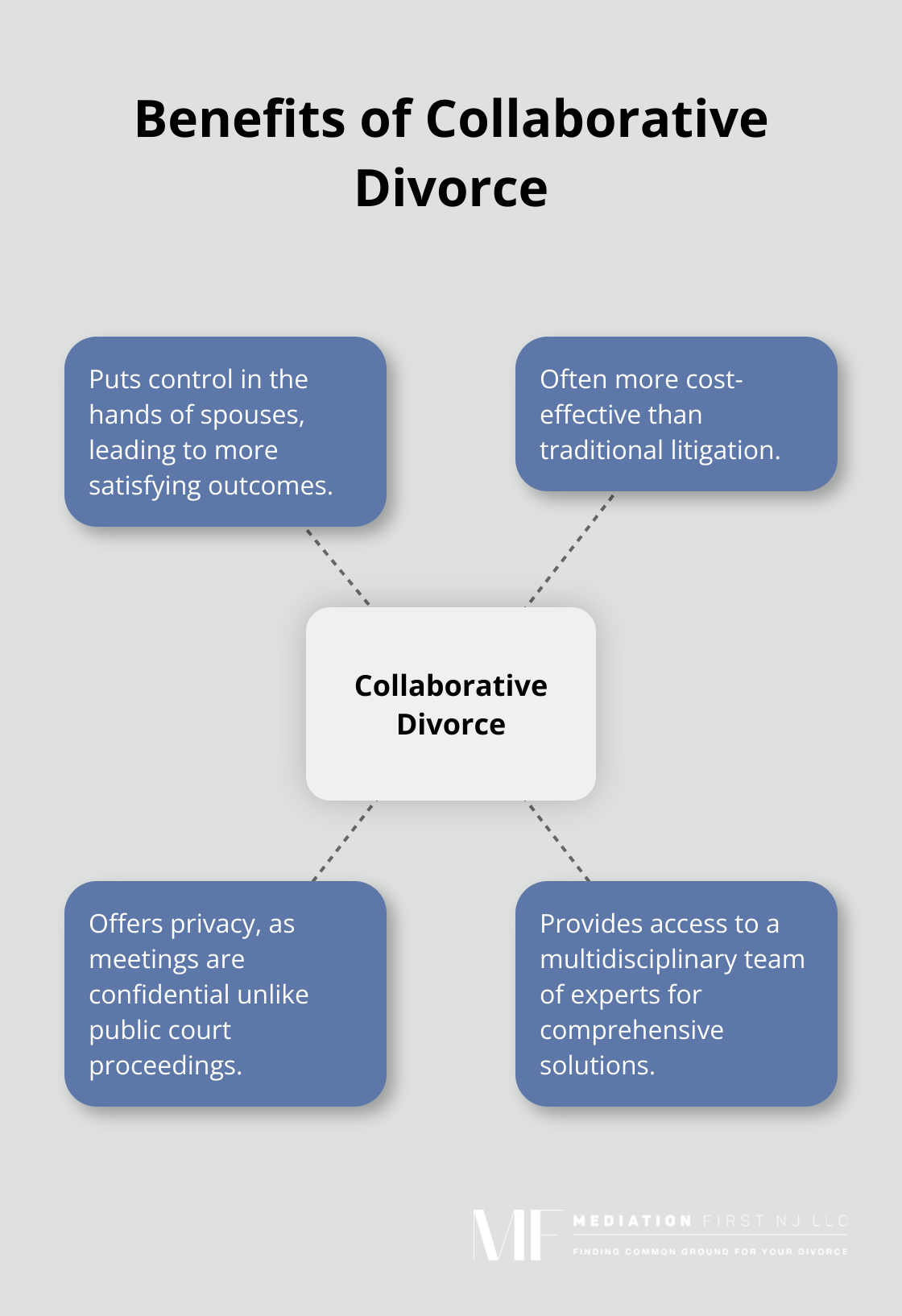
Collaborative divorce is also typically more cost-effective than litigation. While exact figures vary, many couples report spending less on a collaborative divorce compared to a traditional litigated divorce.
The private nature of collaborative divorce is another significant difference. Unlike court proceedings (which are part of the public record), collaborative meetings are confidential. This privacy can be particularly valuable for high-profile individuals or those with sensitive financial information.
Suitability for Collaborative Divorce
Collaborative divorce works best for couples who are willing to communicate openly and work together despite their differences. It’s particularly well-suited for parents who want to maintain a cordial relationship for the sake of their children.
However, collaborative divorce may not be appropriate in cases involving domestic violence, substance abuse, or when one spouse is unwilling to disclose financial information fully.
As we explore different divorce options, it’s important to consider another alternative that promotes peaceful resolution: mediation. Let’s examine how this process works and its potential benefits for divorcing couples.
How Does Divorce Mediation Work in New Jersey?
The Mediation Process Explained
Divorce mediation in New Jersey provides a peaceful alternative to traditional litigation. This process involves a neutral third party (the mediator) who facilitates discussions between spouses to reach mutually agreeable solutions. Unlike court proceedings, where a judge makes decisions, mediation empowers couples to craft their own agreements.
The process typically starts with an initial meeting. The mediator explains the procedure and sets ground rules. Subsequent sessions focus on specific issues such as asset division, child custody, and support. During these sessions, the mediator helps identify areas of agreement and guides discussions on contentious issues. They do not make decisions for the couple but assist in exploring options and finding common ground. This collaborative approach often leads to more creative and personalized solutions than those imposed by a court.
Benefits for Families and Children
Mediation’s less adversarial nature can significantly reduce stress on families, especially children. A study by the Association of Family and Conciliation Courts found that children whose parents used mediation experienced less anxiety and depression compared to those whose parents litigated.
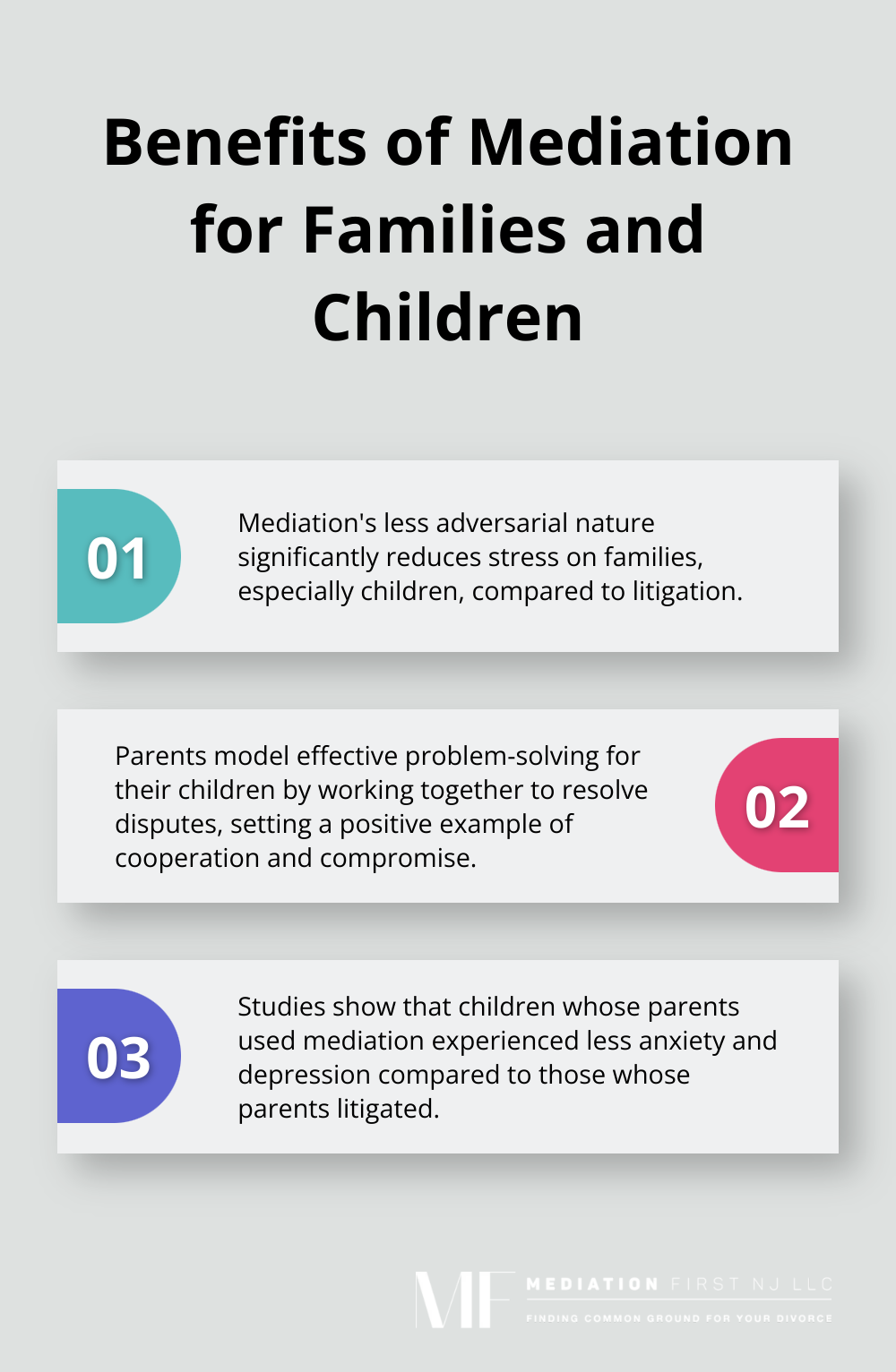
Mediation allows parents to model effective problem-solving for their children. Parents set a positive example of cooperation and compromise when they work together to resolve disputes. This can have long-lasting benefits for family dynamics post-divorce.
Cost-Effectiveness and Efficiency
The financial advantages of mediation are substantial. According to the New Jersey Courts, mediators are generally paid their market rate fee which is to be shared by the parties. Fees may be waived in certain cases covered by Court Rule.
Time savings can be significant with mediation compared to litigated divorces. This quicker resolution allows families to move forward and start their new chapters sooner.
The Role of the Mediator
A skilled mediator plays a crucial role in the success of the mediation process. They remain neutral throughout the proceedings, ensuring that both parties have an equal opportunity to express their concerns and desires. The mediator helps clarify misunderstandings, identifies common interests, and encourages productive communication between spouses.
Mediators do not provide legal advice but can offer information about New Jersey divorce laws and common practices. They also help couples understand the long-term implications of their decisions, particularly regarding financial matters and child-related issues.
Preparing for Mediation
To make the most of the mediation process, couples should prepare adequately. This includes gathering relevant financial documents, considering their priorities and goals, and reflecting on potential compromises. It’s also helpful for each spouse to consult with an attorney before and during the mediation process to ensure they understand their legal rights and obligations.
Final Thoughts
New Jersey offers several divorce choices, each with unique advantages and challenges. Litigation can be costly and emotionally taxing, while collaborative divorce fosters cooperation and tailored solutions. Mediation stands out as an effective method, providing efficiency, cost-effectiveness, and family-centered problem-solving.
Mediation First NJ LLC specializes in guiding couples through the mediation process. Our experienced mediators facilitate constructive discussions, helping spouses reach mutually beneficial agreements on asset division, child custody, and support. We create a respectful environment where both parties can express their needs and work towards amicable resolutions.
Navigating divorce choices requires informed decisions. We encourage you to seek professional advice tailored to your unique situation. The path you choose now will significantly impact your future (and potentially lead to more satisfying outcomes and healthier post-divorce relationships). As you move forward, prioritize open communication, mutual respect, and the well-being of all involved parties.